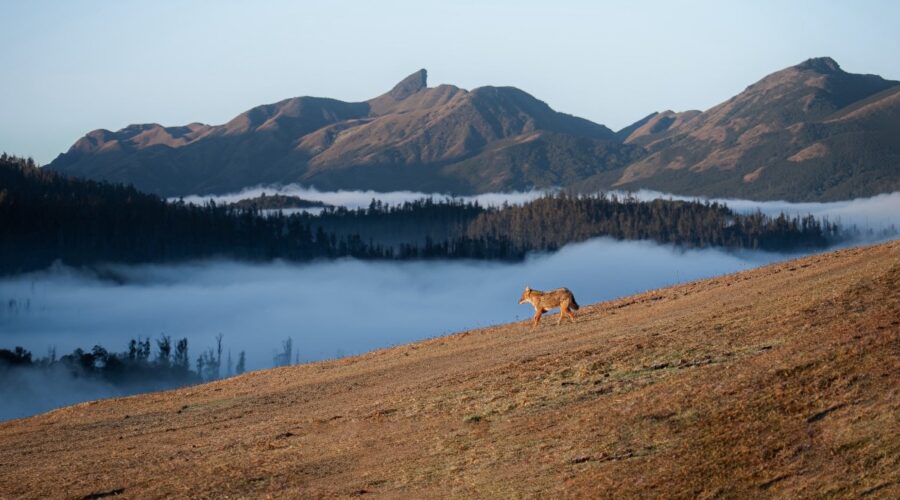
The question “What is threatening the Nilgiris?” has become increasingly important as India’s famous Blue Mountains face mounting environmental pressures. Located in the Western Ghats, the Nilgiris are home to unique biodiversity, shola forests, and vital water resources. The region forms part of the Western Ghats biodiversity hotspot and includes the ecologically significant Nilgiri Biosphere Reserve. However, invasive species, climate change, habitat destruction, and overtourism are threatening the Nilgiris and putting one of India’s most important ecological landscapes at risk.
Known for their mist-covered hills, rolling tea plantations, and remarkable wildlife, the Nilgiris are among India’s most treasured natural regions. Yet conservationists warn that human activities and environmental changes are gradually eroding the fragile ecosystems that make the Blue Mountains unique. Understanding what is threatening the Nilgiris is essential for protecting this biodiversity-rich landscape for future generations.
Why Are the Nilgiris Called the Blue Mountains?
The name “Nilgiri” translates to “Blue Mountains” and is believed to originate from the bluish haze that covers the hills and the periodic blooming of the kurinji flower. Situated at the junction of Tamil Nadu, Kerala, and Karnataka, the Nilgiris are a critical component of the Western Ghats ecosystem.
The region hosts numerous endemic species, serves as a major watershed, and plays a vital role in climate regulation. As one of the most important UNESCO Biosphere Reserves in India, the Nilgiris support a delicate balance between biodiversity conservation and human livelihoods.
What Is Threatening the Nilgiris? Invasive Species Are Taking Over
One of the biggest answers to the question, what is threatening the Nilgiris, is the rapid spread of invasive alien species. Non-native plants such as eucalyptus, wattle, pine, lantana, and eupatorium have expanded aggressively across the region, replacing indigenous vegetation.
These species outcompete native plants, reduce biodiversity, alter soil composition, and increase fire risks. Large areas of native grasslands and shola forests have already been overtaken by invasive species, threatening the survival of several endemic species.
The challenge is not unique to the Blue Mountains. Similar ecological problems are discussed in studies on invasive species in India. Experts believe that restoring native habitats and protecting the Shola forests ecosystem are essential steps in reversing ecological damage.
Invasive plants also affect water retention and groundwater recharge, reducing the resilience of the landscape during periods of drought and extreme weather.
What Is Threatening the Nilgiris? Habitat Loss and Plantation Expansion
Another major factor threatening the Nilgiris is habitat loss caused by plantations and land-use changes. Over the last two centuries, large tracts of native forests and grasslands have been converted into tea, coffee, and commercial timber plantations.
Although plantation agriculture contributes significantly to the regional economy, it has fragmented wildlife habitats and reduced ecological connectivity. Many species now struggle to move between isolated habitat patches, increasing their vulnerability to extinction.
Conservationists are calling for more ecological restoration projects in India to recover degraded habitats. Strengthening protected areas in the Western Ghats can also help reconnect fragmented ecosystems and support biodiversity conservation.
Habitat fragmentation has particularly affected elephants, tigers, and leopards, which require extensive landscapes to thrive.
How Overtourism Is Threatening the Nilgiris
Tourism is an important source of income in towns such as Ooty, Coonoor, and Kotagiri. However, the rapid growth of tourism has become another answer to the question: what is threatening the Nilgiris?
Millions of visitors travel to the region every year, placing enormous pressure on local infrastructure and natural resources. Some of the major impacts include:
- Increased traffic congestion
- Plastic pollution
- Water shortages
- Encroachment into sensitive habitats
- Expansion of roads and tourism infrastructure
The challenge highlights the need for stronger sustainable tourism in India policies that balance economic growth with environmental protection.
Waste management remains a significant concern, particularly during peak tourist seasons when visitor numbers exceed the ecological carrying capacity of many destinations.
Climate Change Is Threatening the Nilgiris More Than Ever
Climate change is another critical factor threatening the Nilgiris. Scientists have observed changes in rainfall patterns, increasing temperatures, and a greater frequency of extreme weather events across the Western Ghats.
These changes affect biodiversity, water availability, and ecosystem stability. Species adapted to cool mountain environments are especially vulnerable because they have limited opportunities to migrate to suitable habitats.
The environmental pressures facing the region reflect broader climate change impacts in India. Researchers studying mountain ecosystems and climate change warn that high-altitude environments are particularly sensitive to temperature fluctuations.
Climate change also increases the likelihood of floods, landslides, and prolonged dry periods, further stressing already fragile ecosystems.
Forest Degradation: Another Threat to the Nilgiris
Forest degradation caused by human activities continues to undermine the ecological health of the Nilgiris. Expanding settlements, infrastructure projects, resource extraction, and agricultural expansion have all contributed to declining forest quality.
As forests become fragmented and degraded, wildlife populations face increasing challenges. Human encroachment often forces animals into closer contact with settlements, leading to conflicts between people and wildlife.
The issue is closely connected to broader concerns about human-wildlife conflict in India. Many species found in the Nilgiris also appear on lists of endangered species of the Western Ghats, making habitat protection even more urgent.
Without stronger conservation measures, forest degradation could have long-term consequences for biodiversity and ecosystem services.
Why Protecting the Nilgiris Matters
The Nilgiris are far more than a scenic hill destination. They serve as a critical water source for millions of people, support rich biodiversity, and contribute to climate regulation across southern India.
The region also holds immense cultural significance for indigenous communities who have lived in and managed these landscapes for generations. Their traditional ecological knowledge can play a key role in conservation and restoration efforts.
Protecting the Nilgiris is closely linked to broader efforts in wildlife conservation in India and safeguarding the country’s most important biodiversity hotspots of India.
The ecological health of the Blue Mountains has implications far beyond the region itself.
Conclusion: What Is Threatening the Nilgiris and What Can Be Done?
So, what is threatening the Nilgiris? The answer lies in a combination of invasive species, habitat loss, overtourism, climate change, and forest degradation. Together, these pressures are transforming one of India’s most valuable ecological landscapes.
Addressing these challenges will require coordinated action from governments, conservation organizations, researchers, local communities, and tourists. Restoring native vegetation, controlling invasive species, promoting sustainable tourism, and strengthening habitat protection are all essential steps.
The Nilgiris remain one of India’s greatest natural treasures. However, unless urgent action is taken to address what is threatening the Nilgiris, the future of the Blue Mountains may become increasingly uncertain. Protecting this biodiversity hotspot is not only a regional responsibility but also a national environmental priority.